Light Is the Whole Game in Photography. Here's How I Think About It.
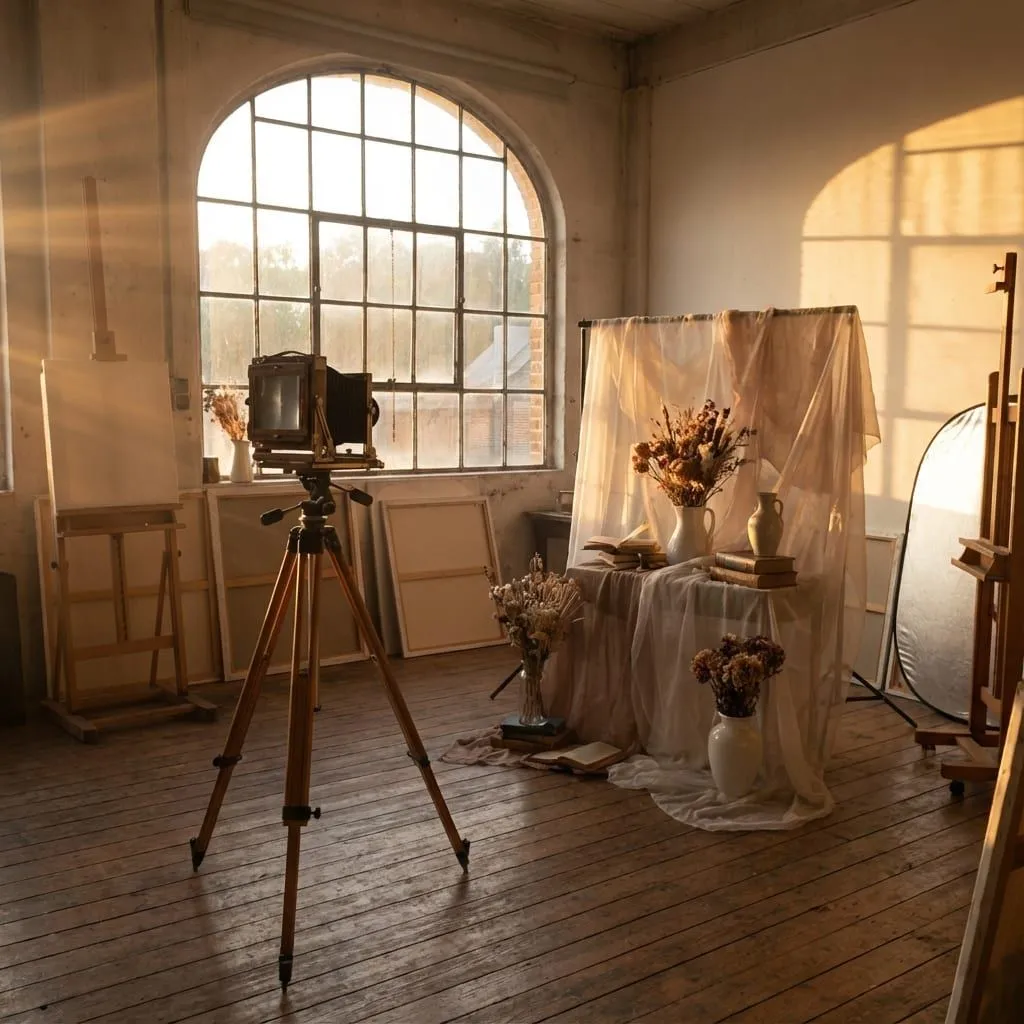
The word photography literally means drawing with light. That sounds like a fun bit of trivia until you realize it’s the whole job. You can have the nicest camera made, but if you ignore the light, you get a flat picture. Pay attention to it and even a phone can make something worth keeping.
I’m an enthusiast, not a pro, but learning to actually see light is the single thing that improved my photos the most. The other was framing. Here’s how I think about light.
Natural light
Natural light is free, endless, and never the same twice. That’s the gift and the challenge.
The color shifts all day long. Early morning leans cool and blue. The golden hour just after sunrise and before sunset washes everything in warm amber, which is why it makes almost anything look good. Midday sun is harsh and neutral, with hard shadows and high contrast that are tough to work with. Living in the mountains, I plan around this. The light coming off the ridges at the end of the day is the reason half my photos exist.
Light also sets the mood before you’ve composed anything. Soft, diffused light on an overcast day feels calm and intimate. Hard side light adds drama and depth. Backlight gives you silhouettes and halos. Once you can name what the light is doing, you can match it to the feeling you’re after.
Artificial light
When you bring your own light, you trade unpredictability for control, and that’s the point. You decide exactly where the light falls and where the shadows land, which is everything for portraits, product shots, or anytime you need the same result twice.
Two things matter most. The first is color. Tungsten, fluorescent, and LED all render color differently, and knowing how to balance them keeps your shots consistent. The second is position. A light placed close gives soft, wrapping illumination. Move it back and the shadows go hard and defined. Just moving one light around the subject teaches you more than reading about it ever will.
A few things that actually helped me
- Watch light constantly. Notice how window light falls across your kitchen, what shadows do when a cloud passes. It trains your eye for free.
- Bounce and soften it. A cheap white foam board fills in shadows or takes the edge off harsh sun.
- Chase the magic hours. The hour after sunrise and before sunset is the most forgiving light you’ll find.
- Don’t fear shadows. Shadow is what gives a photo depth. Use it on purpose instead of trying to erase it.
Phone or pro camera, it honestly doesn’t matter as much as people think. Your relationship with light is what decides whether a photo works. Watch it, play with it, and the rest follows.