I Foster the Dogs Nobody Else Will Take. Here's What They've Taught Me.
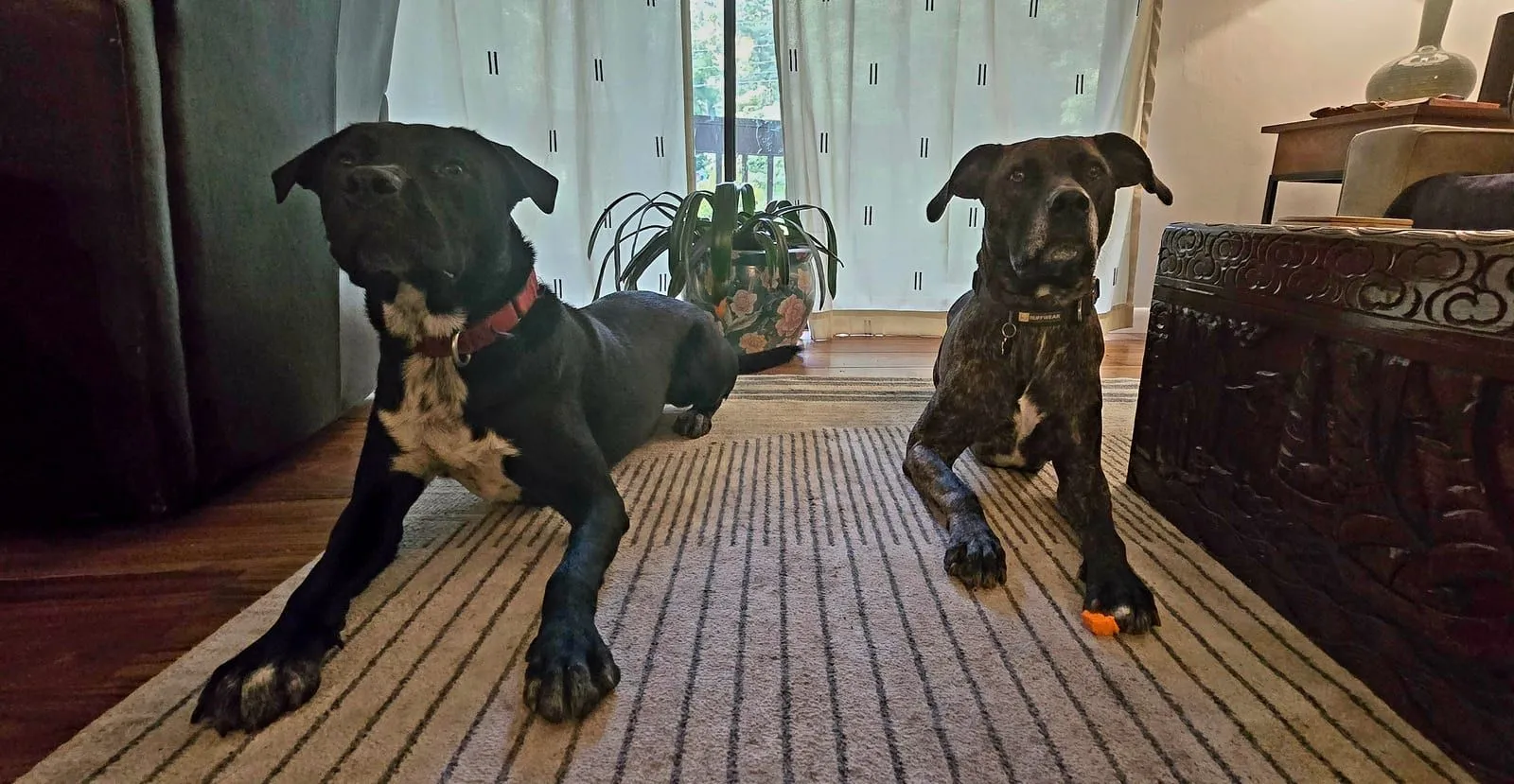
I never planned to be the guy who takes the hard ones. It happened slowly, one dog at a time, until I looked up and couldn’t have told you how many had come through my house.
These weren’t the wiggly puppies that get adopted before they ever hit the website. The dogs I take from Asheville Humane Society are the ones with a note in their file. Reactive on leash. A bite somewhere in their history. Coming off heartworm treatment. Scared of men, or brooms, or the noise the dishwasher makes when it clicks over. The ones a family meets once and quietly decides they can’t handle.
I’m not a trainer and I’m not anybody special. I’m just a guy in Asheville who kept saying yes, and over the years a few of those dogs taught me things I still think about.
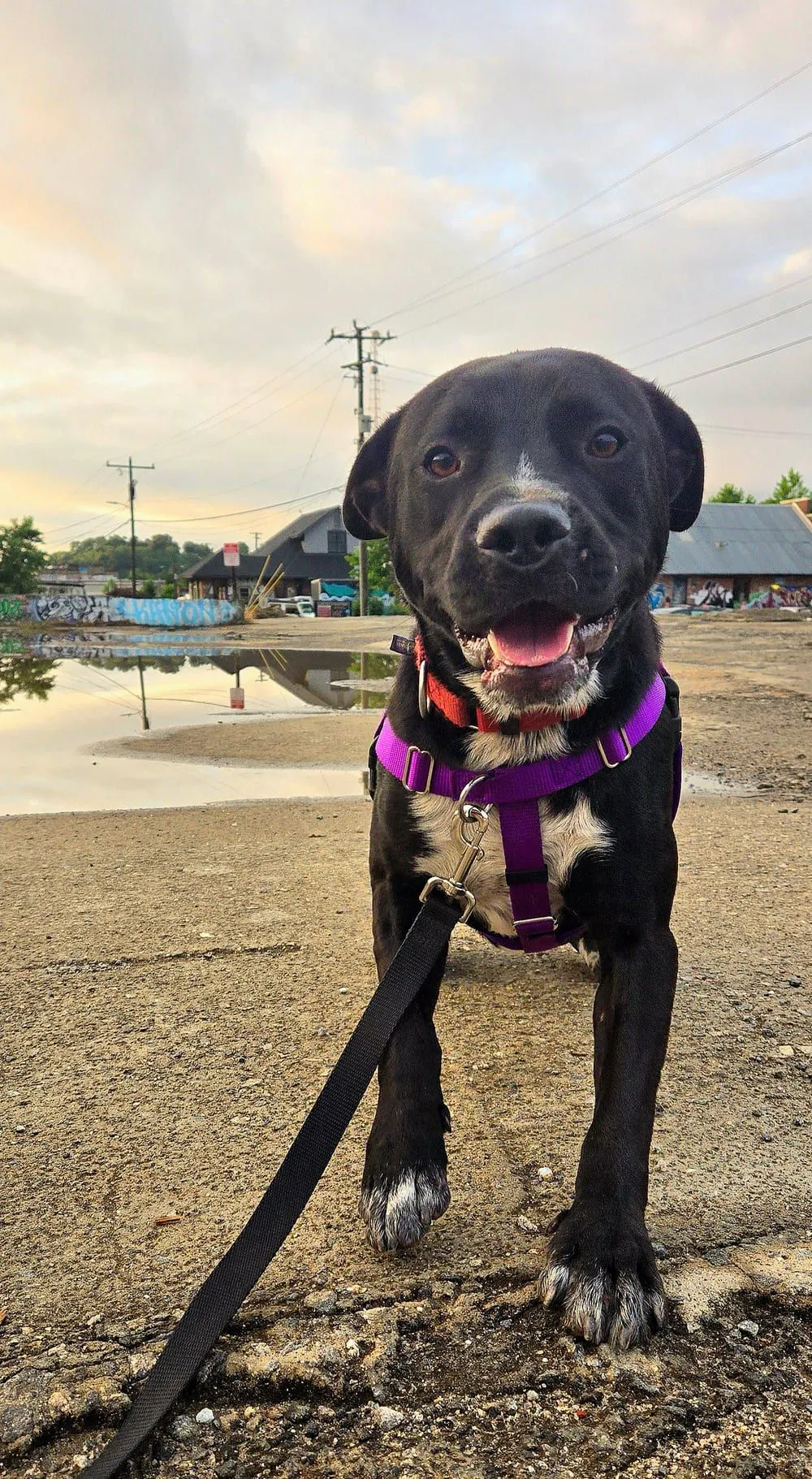
Structure does more than affection ever will
When a terrified dog walks into your house, almost every instinct you have works against you. You want to comfort it. Get down on the floor, talk soft, let it up on the couch so it knows it’s safe now.
That’s the wrong move, at least at the start.
What took me an embarrassingly long time to understand is that a scared dog isn’t looking for affection. It’s looking for information. What happens next, and after that, and after that. So you give it a schedule instead. Meals at the same time. The same loop around the same block. A crate in the same corner every night. For a dog whose whole life has been chaos, that kind of boring, predictable routine is the first safe thing it has ever had.
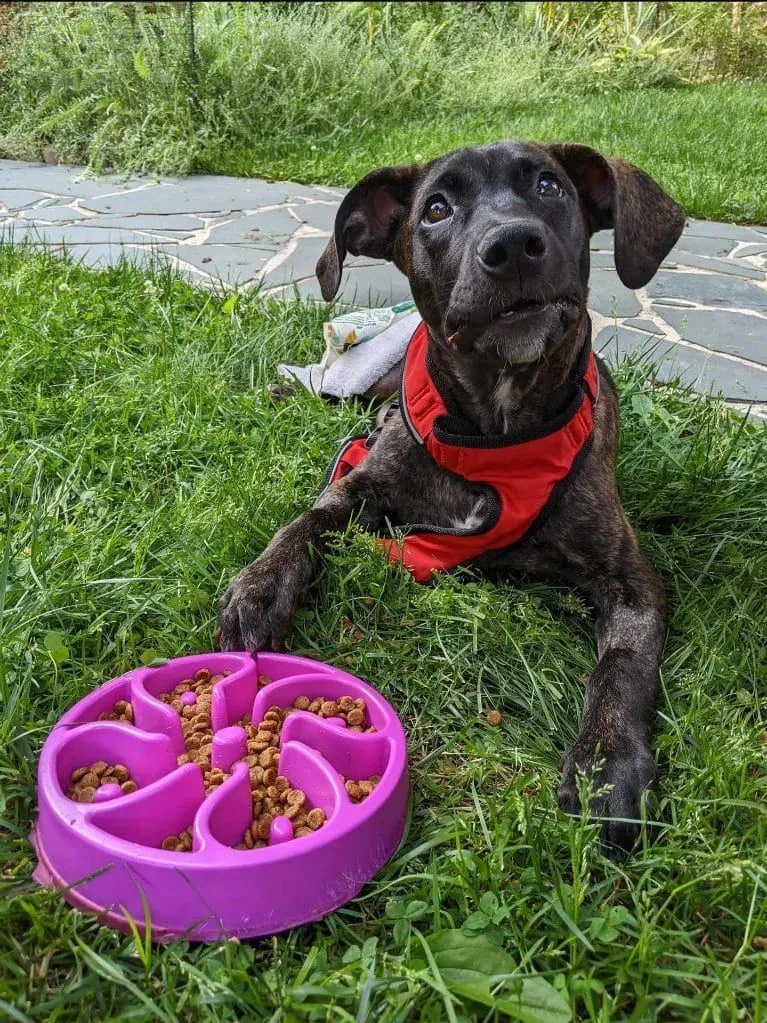
The affection comes later, once the dog feels steady enough to want it. Honestly, the hardest part of fostering for me was never the chewed shoes or the 5 a.m. barking. It was sitting on my hands and trusting the routine to do the work my heart wanted to rush.
The night they finally sleep
Foster a few of these dogs and you start waiting for one specific moment.
For the first stretch, sometimes days and sometimes weeks, a dog like this never really sleeps. It dozes with one ear up. It flinches when the furnace kicks on, when the mail hits the floor, when it hears your feet in your own kitchen. Watching it is exhausting, and you’re not even the one who can’t relax.
Then one night it lets go. The dog stretches all the way out on its side and drops into the deep kind of sleep, the twitchy, paw-paddling, chasing-something-in-a-dream kind. You only get there once something underneath the fear has decided you’re safe. The first time I saw it, I just sat across the room and watched, half afraid that getting up would wake him.
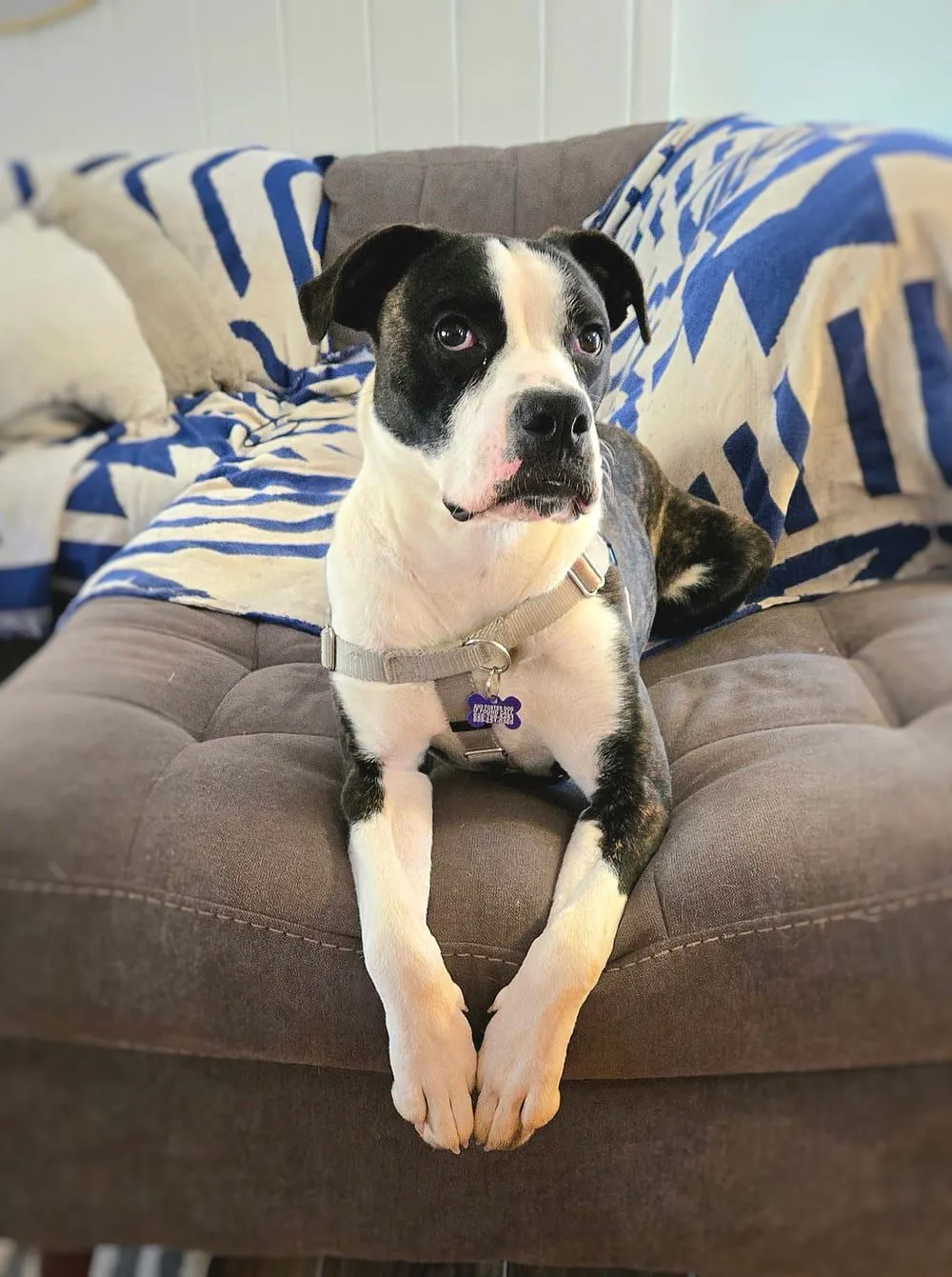
Nobody can really sell you on that part of fostering. It isn’t dramatic. You just become the place where a dog could finally put its guard down.
The goodbye is the whole point, even when it wrecks you
Here’s what people don’t warn you about. You do all of it, the routine and the patience and the slow work of earning trust, knowing the entire time how it ends. Do the job right and the dog leaves.
I’ve handed the leash to a new family more times than is probably good for me. I once stood in a parking lot watching a dog I’d taught to sleep hop into a stranger’s back seat without a single look back, then drove home and cried most of the way. It has never gotten easier, and somewhere along the line I made peace with the fact that it isn’t supposed to.
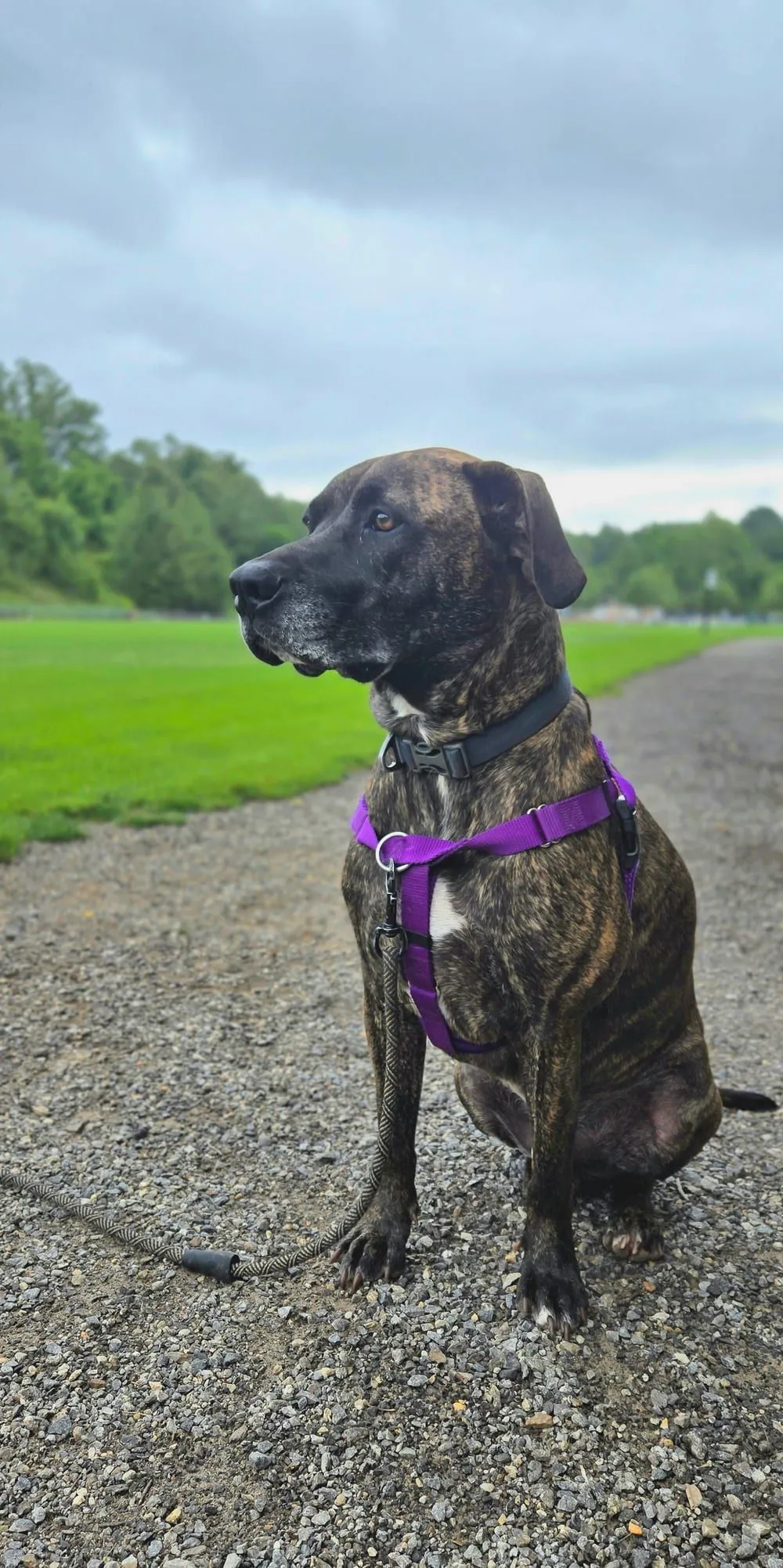
A foster home was never meant to be the finish line. It’s the bridge a dog crosses to reach its real family. My job was never to be the dog’s person. It was to get it ready for that person.
I’ll be straight about the two that didn’t follow the script. One never left. I’m what they call a foster fail, and he’s asleep under my desk as I write this, and I’d do it again in a heartbeat. The other one I lost. He swallowed a squeaky toy, it blocked his intestine, and the surgery came too late. I still think about him more than I figured I would. Fostering hands you that too, and no clean little lesson takes the edge off it. You carry it and you keep going.
If the idea has been sitting with you
People say the same thing to me all the time. “I could never do that. I’d get too attached. I couldn’t give them back.”
I understand why that feels like a reason not to. I think it’s the reason to. A dog that’s spent its whole life getting passed over needs exactly the kind of person who’s going to fall too hard for it.
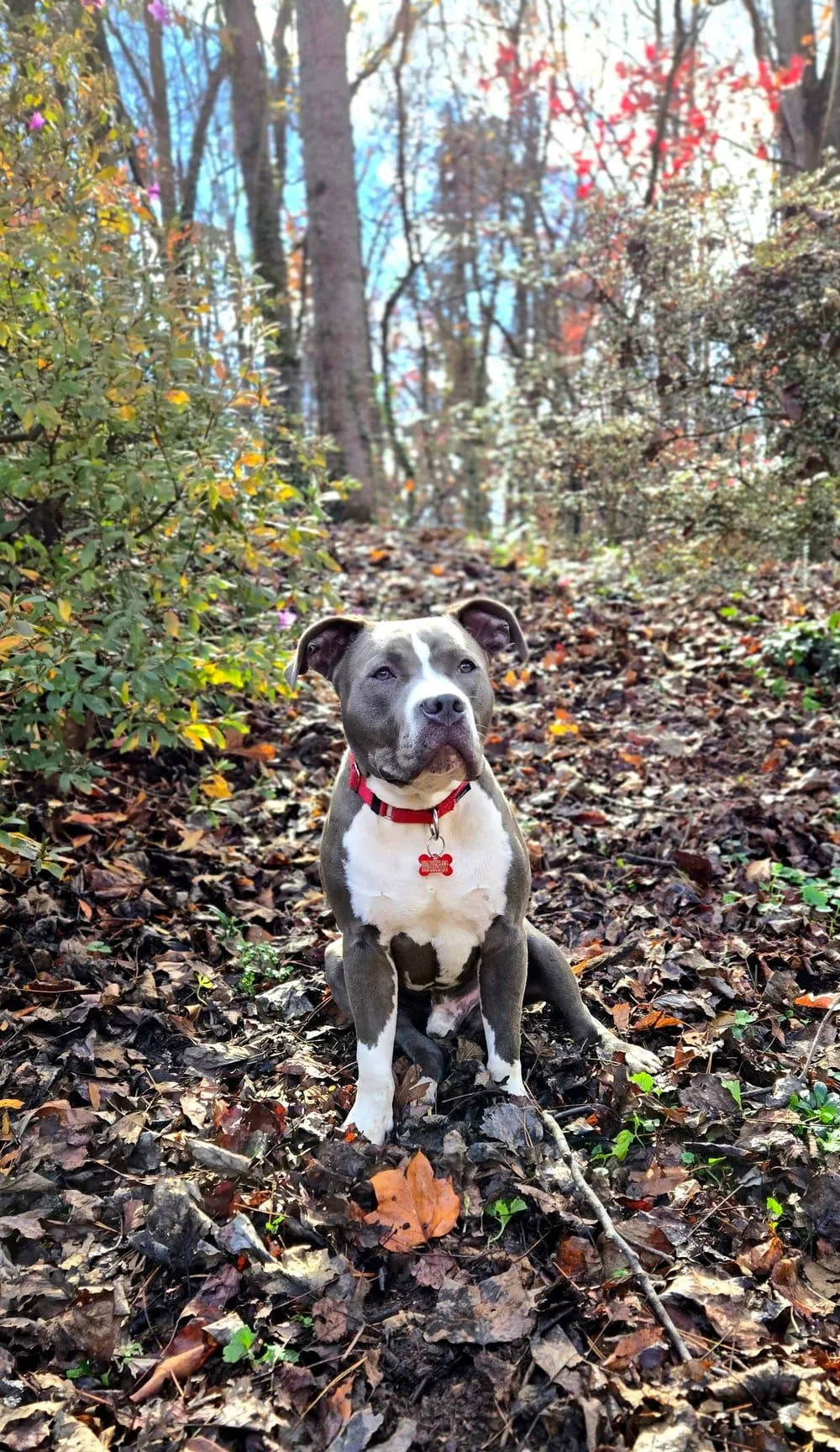
I won’t pretend it’s easy. It costs you sleep and money and a few pieces of your heart you don’t get back. But if you’ve got a spare room, a little patience, and a routine you can share, Asheville Humane Society has a dog right now waiting to find out the world can be a safe place. You don’t have to save all of them. Just take the next one.